Making Pictures With Fallen Flower Petals
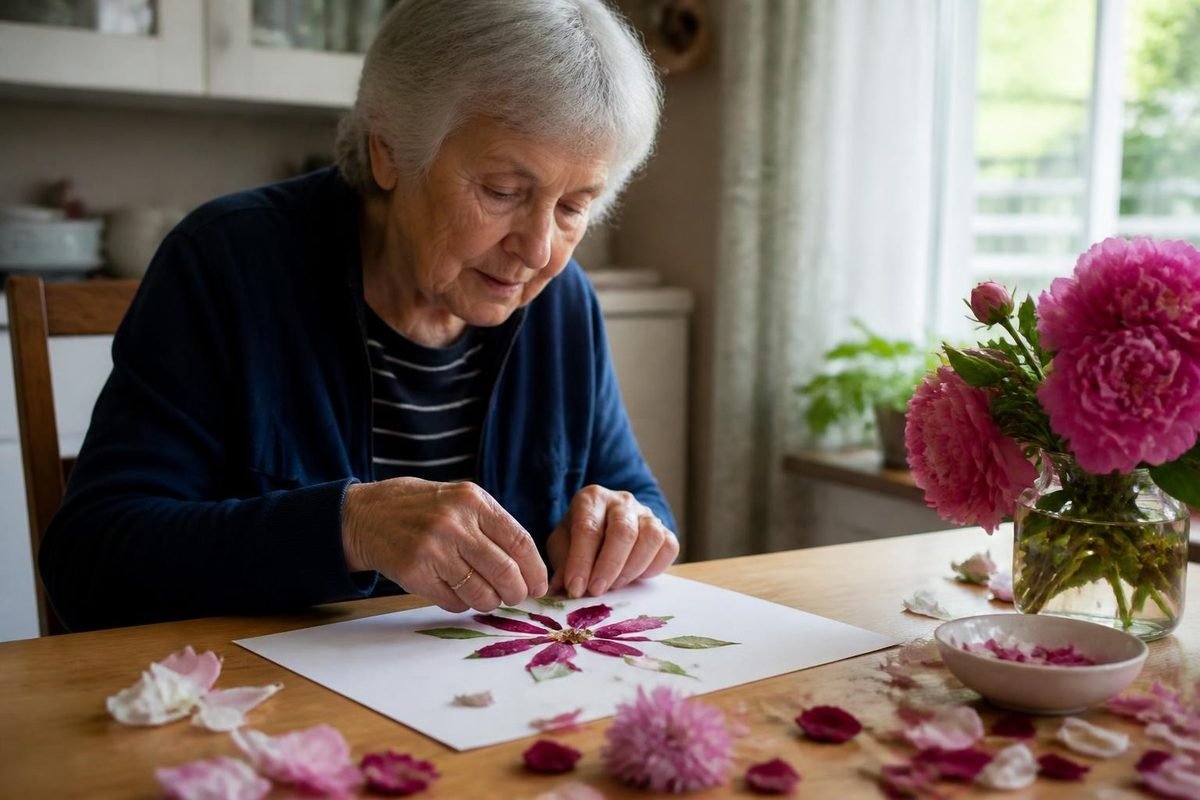
Children can create pictures by placing fallen petals on paper and attaching them with glue. They can also flatten petals for a layered design or rub over them to make simple prints, with an adult helping select safe flowers and set up the activity.
Gather petals and get them ready
Begin with petals from flowers that are familiar and safe to touch, such as flowers in a home vase or garden. Do not collect from plants you cannot identify, and avoid petals that could have been exposed to pesticides.
Use petals that are dry, clean and free of mold. Brush away loose soil, then lay the petals on paper. If any are moist, allow them to dry before using glue. After gathering, children should wash their hands. Remind them that petals are for making art, not for eating.
Collect the materials before children begin so they can focus on arranging the petals:
- Clean petals in several colors and shapes
- Paper or lightweight card to use as a base
- Glue that is safe for children, with a small brush or glue stick
- A pencil and spare paper for sketching ideas
- Paper towels and a heavy book for flattening petals
Arrange and glue a petal picture
Set the paper on a clear table and let children test different arrangements before they use glue. They might form a flower, butterfly or tree, or place the petals in an abstract design. A pencil sketch can help guide the layout, but children can work without drawing an outline first.
When the arrangement is ready, move each petal in turn and apply a small amount of glue to the paper beneath it. Return the petal and press lightly to hold it in place without ripping it. Use small pieces to cover empty spaces and larger petals for shapes such as leaves or wings. Leave the artwork lying flat until the glue has dried.
As they dry, petals can curl or alter in color. These changes are normal for natural materials. Store the picture somewhere dry rather than in a damp area, and look at it from time to time for any mold.
Flatten petals for a level design
To make flatter pieces, place dry petals between two paper towels. Put the layers in a heavy book and use scrap paper to protect its pages. Close the book and leave it in place for several days. An adult can check how the petals are doing and change the towels if they become damp.
When the petals are dry and flat, arrange them on card and glue them down. Handle pressed petals by an edge because they can break easily. Children can complete the picture by drawing stems, words or a background with pencils.
Make a basic petal rubbing
Place one petal on a sheet of paper and cover it with a second sheet. Rub a crayon gently over the top paper to reveal some of the petal's outline and surface details. Try petals with different thicknesses and compare the marks they leave.
For a group rubbing, position several petals beneath one sheet. Hold the paper steady and rub across the area with the side of the crayon, not its tip.
Let children explore the petals available to them. Throw away any unused petals that become wet or moldy.
See also: https://greensys2019.org/pochemu-srezannye-cvety-vyanut-ranshe-vremeni/